
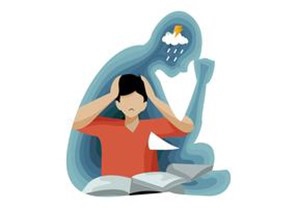
Marriage is supposed to be a partnership built on love, trust, and mutual support. But what happens when depression moves in and takes over the relationship? When one partner is chronically sad, withdrawn, or emotionally unavailable, the marriage can begin to crumble under the weight of despair.
As a NY divorce attorney, mediator, and psychologically trained professional, I’ve helped countless couples navigate this painful crossroad, teaching them how to seek help, and find the best way to end their marriage with compassion and dignity.
If you’re asking yourself, “Is depression destroying my marriage?”, you’re not alone. Let’s explore the signs, the steps to take, and how to make the healthiest decision for both partners.
Recognizing the Signs of Depression in a Marriage
Depression is more than sadness. It can silently erode communication, intimacy, and trust. Common signs include:
- Emotional withdrawal and loss of affection
- Irritability or anger without clear reason
- Neglect of responsibilities or hygiene
- Sleeping too much or not enough
- Hopelessness, guilt, or shame
- Refusal to seek professional help
When depression becomes a third partner in your marriage, it can feel like you’re living with a stranger, or completely alone.
When to Seek Help, and How to Do It
If your spouse is willing, therapy and medical treatment can make a world of difference. As part of my divorce process, I make referrals to psychiatrists, psychologists, and therapists that can help manage symptoms through counseling, medication, or both.
Couples counseling can also help repair emotional disconnection if both partners participate. However, when your spouse refuses to seek help, blames you for their unhappiness, or becomes emotionally or verbally abusive, it may be time to re-evaluate whether the marriage is sustainable.
As I often tell clients, you can support your spouse, but you cannot save them alone.
When to Consider Divorce, and How to Do It Safely
Deciding to end a marriage affected by depression is never easy. Many clients feel guilt, shame, or fear of worsening their spouse’s condition. But staying in a relationship that’s emotionally draining or harmful serves no one, including the depressed partner.
If your spouse’s depression has led to:
- Emotional or financial neglect
- Emotional abuse or manipulation
- Refusal to seek help
- Long-term instability affecting children or finances
…it may be time to consider separation or divorce.
Litigation vs. Mediation: Choosing the Healthiest Path
When a spouse is suffering from depression, traditional litigation can make matters worse, escalating conflict, financial stress, and emotional breakdown.
In my practice, when possible, I recommend mediation, a calm and private alternative that:
- Reduces stress and conflict
- Encourages compassionate communication
- Protects privacy and mental well-being
- Saves time and money
As a psychologically trained divorce attorney and mediator, I create a supportive environment that helps both partners feel heard and respected, especially when one struggles emotionally.
However, in severe cases that require court intervention, litigation may be necessary to protect your safety, finances, or children’s well-being. Every case is unique, and a strategic legal approach ensures your best interests are protected.
Over the years, I’ve helped clients successfully navigate complex marriages involving depression: For example:
- A husband, a Tennis Pro with chronic depression refused therapy and financially neglected the household. Through mediation, we structured a fair separation agreement that secured the wife’s stability, provided ample support for their their twins while ensuring the husband’s treatment plan was supported.
- A wife’s untreated depression escalated to emotional and financial abuse and endangered the children. Litigation became necessary to establish safe boundaries and a custody plan for the children handled discreetly and compassionately.
- In another case, both partners wanted to part ways peacefully after years of emotional distance. My mediation approach allowed them to end their marriage respectfully, without courtroom battles or blame while saving money.
Every situation requires a balance of legal strategy and psychological insight, and that’s where my unique legal/medical background makes all the difference.

As a medically trained NY divorce attorney and mediator, I tell all my clients divorce doesn’t have to be destructive, even when mental health challenges are involved. With the right guidance, you can create a healthier future for both of you.
If you’re struggling with whether to stay or leave an unhealthy marriage affected by depression, you don’t have to face it alone. Let’s talk about. Call now to schedule your free consultation 212.734.1551.
Together, we can discuss your options, from compassionate mediation to strong legal representation, and find the path that leads to peace, stability, and healing.
Warm regards,
Lois